UNION HOME MINISTER AMIT SHAH TOUCHES SLAIN MAN’S MOTHER FEET IN GURDASPUR. MEETS JHOTA FAMILY AMID DEMAND FOR JUSTICE
Naresh Kumar/Sangrur/Mansa
Union Home Minister Amit Shah on Tuesday met the families of three people whose deaths have been linked to allegations surrounding opposition to drug trafficking in Punjab, and said a Central Bureau of Investigation (CBI) team would reach Mansa on Wednesday to investigate the killing of anti-drug activist Parvinder Singh Jhota, according to media reports.
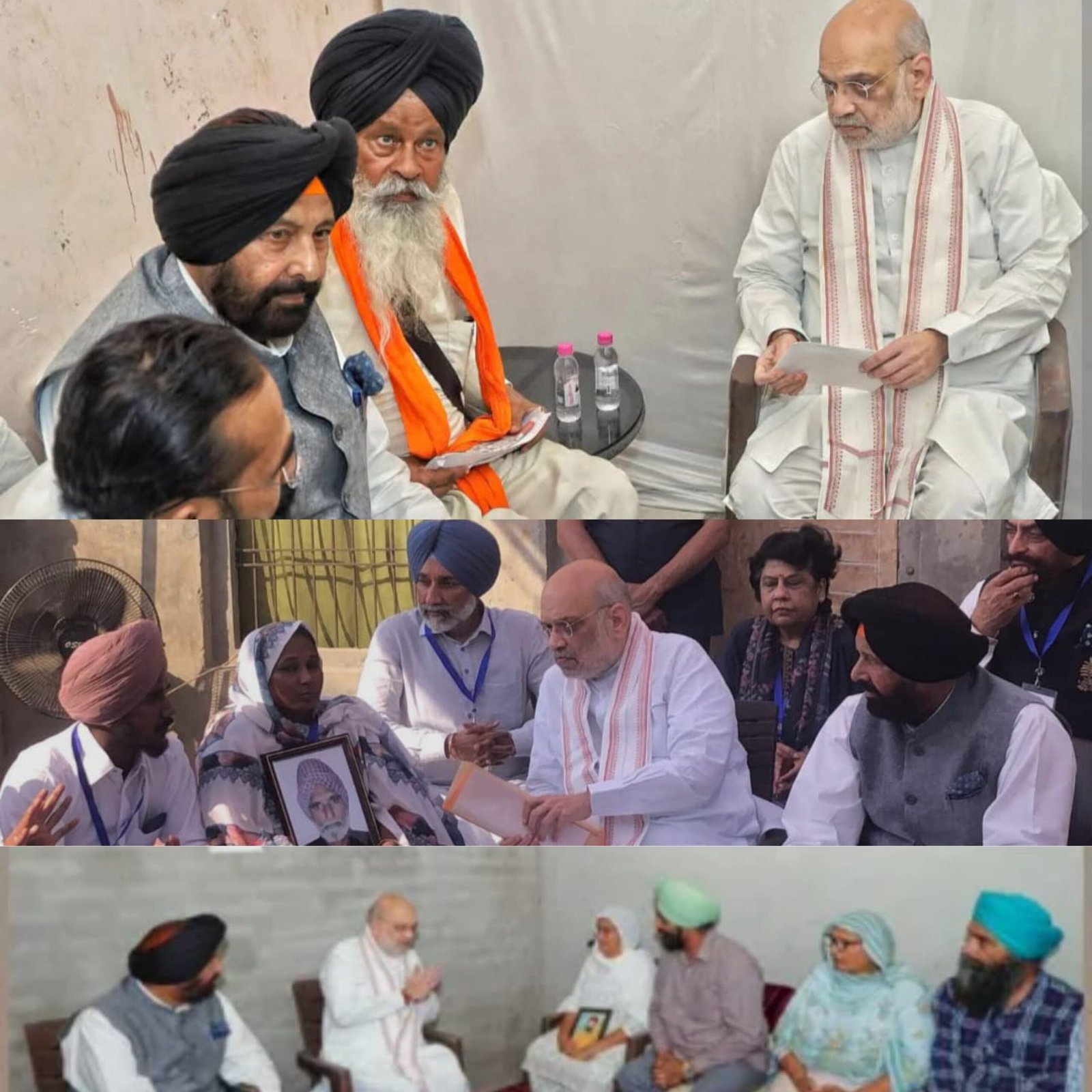
During his visit to the state, Shah met the family of Bikramjit Singh, who was allegedly killed after opposing drug sales in Gurdaspur district, visited the family of Gulzar Singh in Sangrur district and held a meeting with Jhota’s family in Mansa.
In Gurdaspur, Shah offered condolences to Bikramjit Singh’s grieving family and was seen touching the feet of his mother as a gesture of respect. Bikramjit, around 40, was allegedly attacked with sharp-edged weapons in Mari Panwan village on October 15 after objecting to the alleged sale of drugs. He died in the attack, while two others were injured.
The Home Minister heard the family’s account of the incident and expressed condolences over the death. The killing has raised concerns over the safety of people who oppose the alleged drug trade in their localities.
Shah subsequently visited Toor Banjara village in Sangrur district to meet the family of Gulzar Singh, a daily-wage worker who died by suicide after allegedly consuming a poisonous substance on September 7.
Gulzar’s family has alleged that he faced threats and harassment after raising the issue of the alleged sale of drugs in his village and questioning Punjab Finance Minister Harpal Singh Cheema over the matter. The family has sought justice and action against those allegedly responsible for his death.
According to media reports, Shah assured Gulzar’s family that justice would be delivered within two months. The allegations surrounding the case are subject to investigation.
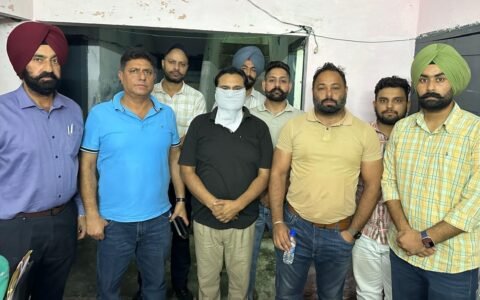
The Home Minister later met the family of Parvinder Singh Jhota in Mansa. Jhota, an anti-drug activist, was shot dead inside a medical store on October 13 following a confrontation with its owner over the alleged sale of addictive substances.
According to reports, Shah told Jhota’s family that a CBI team would reach Mansa on Wednesday to take up the investigation. Earlier on Tuesday, Punjab Chief Minister Bhagwant Mann announced that the state government had decided to hand over the murder investigation to the CBI in response to the family’s demand.
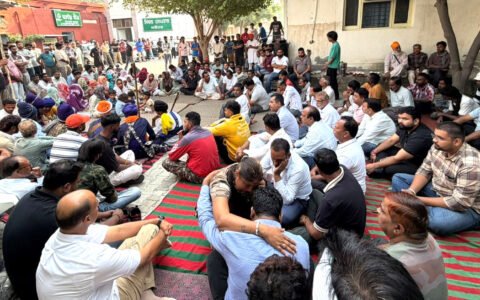
Jhota’s killing had triggered protests in Mansa, with his family and supporters demanding an independent investigation. The family had also withheld his last rites while pressing for action and accountability. Jhota was allegedly shot by medical store owner Ashwani Kumar during a confrontation over the sale of addictive substances. Kumar was subsequently arrested in Rajasthan. The precise circumstances of the killing and the possible involvement of others are matters for investigators to establish.
The family has sought a comprehensive probe into the circumstances surrounding the murder and any possible wider conspiracy. The decision to refer the case to the CBI came amid sustained protests and demands for an independent investigation.
Shah’s visit followed his public announcement that he would meet the families of people who had lost their lives in incidents linked to opposition to the alleged drug trade in Punjab. He has accused the state government of failing to tackle the drug menace and said the Centre would pursue those involved in drug trafficking.
The visits have brought renewed attention to Punjab’s drug problem, with allegations of illegal drug sales, demands for accountability and questions over the safety of those raising the issue becoming central to the debate. The Aam Aadmi Party government has maintained that it is committed to combating drugs in the state and has announced the transfer of Jhota’s murder case to the CBI. The investigations into the three cases are expected to determine the circumstances of the deaths and establish responsibility wherever evidence supports prosecution.