Raj Sadosh/Abohar.
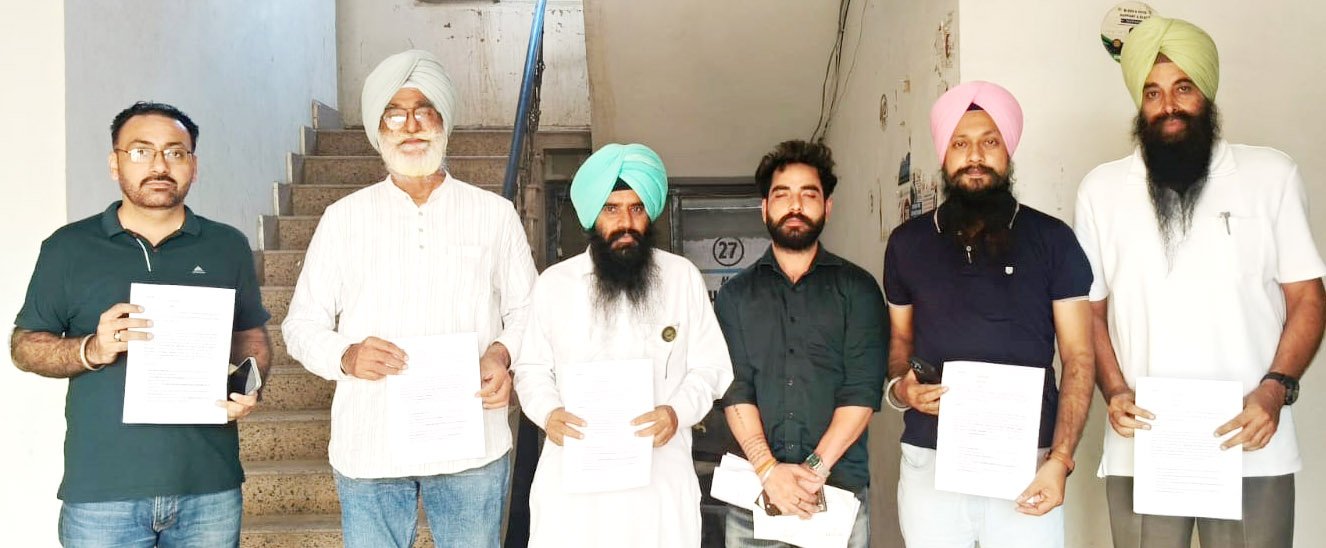
A group of intellectuals and community leaders in the Abohar area have jointly sent a letter to the Punjab Pollution Control Board, requesting real-time monitoring of water quality at Bhakra Dam, Harike Barrage, and all water works in villages and cities within the state.
According to Advocate Ravinder Singh Gill, Farmer Leader Sukhjinder Singh Rajan, Advocate Sukhjit Singh Danewalia, Advocate Amandeep Singh Rakhra and Advocate Tejinder Singh Khalsa, it is the government’s responsibility to ensure that the people of the state have access to clean, safe drinking water. They noted that concerns and doubts often arise among the public regarding the quality of drinking water in Punjab. Therefore, it is essential to conduct thorough water quality testing and make the results transparent to the public.
They emphasized the importance of regular calibration and independent verification of sensors and equipment used for water quality testing. They also proposed the creation of a public water quality dashboard to allow residents to access information about the water quality in their area.
Furthermore, they suggested that residents be immediately informed when water quality falls below established standards, and that alternative water sources be made available. This system would provide residents with direct, transparent, and real-time information about the quality of their drinking water.
The social activists said that this would increase the government’s accountability regarding water quality and strengthen public trust in the state’s water supply system. Therefore, they urged the relevant departments in Punjab to immediately consider and implement these demands in the public interest. Letters requesting these measures have been sent to various departments in Punjab.
Punjab
Trending
PPCB REQUESTED TO CARRY REAL-TIME MONITORING OF WATER QUALITY