SHIROMANI PUNJAB FORUM RELEASES DISCUSSION PAPER, INVITES STAKEHOLDERS’ VIEWS
Face2News/Chandigarh
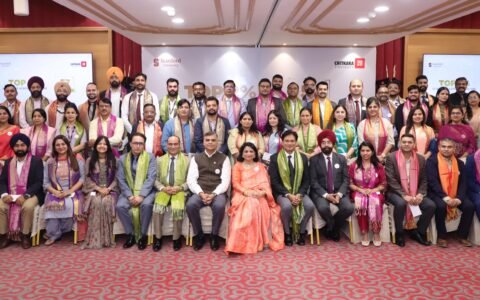
The Centre’s ban on sugarcane-based ethanol for the E20 programme in 2026–27 will have a significant impact on Punjab’s farmers, its industries and its groundwater. This was asserted here today by the Shiromani Punjab Forum, an independent, non-partisan think-tank, which released an 11-page discussion paper authored by its Founder and Convener, KBS Sidhu, a former Special Chief Secretary, Government of Punjab.
The decision bars sugarcane juice, sugar syrup and B-heavy molasses from the ethanol that the public-sector oil marketing companies buy for blending with petrol at 20 per cent. It does not cover alcohol for liquor, which is regulated by the States. The ban protects the sugar consumer, but it shifts the burden of blending onto distilleries that use maize and FCI rice, with consequences across the State’s farm economy.
The paper, Sweet Are the Uses of Adversity — and Diversity, finds that the ban hits cane growers through delayed mill payments, co-operative sugar mills that invested in distilleries, and poultry, dairy and starch units that now compete with distillers for scarcer and costlier maize. It also notes that, on official figures, a litre of rice-ethanol embodies about 10,790 litres of water, against about 4,670 for maize and 3,630 for cane. Yet this year’s tender relies on 3.25 billion litres of ethanol from FCI rice. That is food-grade rice from the central pool, sold to distilleries at Rs 2,390 a quintal, the price charged for welfare schemes, against an FCI economic cost of about Rs 4,100.
“Punjab ends up paying for the fuel tank three times: in groundwater pumped for paddy, in the free power that pumps it, and in the gap between FCI’s cost and its sale price,” said KBS Sidhu. “The shortage also carries an opportunity. For the first time maize pays in Punjab. If we back kharif maize, rather than water-hungry spring maize, this adversity can buy the diversification thirty years of advice could not.”
The paper sets out who gains and who loses from the ban. It argues against a permanent ban on cane, proposing instead a published rule linking sugar diversion to closing stocks. Its seven proposals are:
■ feedstock pricing weighted by water use;
■ a Punjab kharif maize compact, with assured offtake and grain dryers at mandi level;
■ a sowing window for spring and summer maize in red-zone blocks;
■ no GM corn in the E20 channel;
■ a national water audit of the ethanol programme;
■ the B-heavy molasses route kept open for Punjab’s co-operative sugar mills; and
■ stricter rules on distillery siting and discharge.“This is a discussion paper, not a verdict,” said KBS Sidhu. “We want farmers, mills, distillers, the poultry and dairy sector, agricultural scientists, officials and every political party to test these proposals and tell us how the programme can best serve Punjab.”
The Forum invites comments within thirty days at kbs.sidhu@gmail.com, with the subject line “SPF Discussion Paper — Ethanol”.