RETIRED IAS OFFICER URGES THAT THE CLAUSE RIDE ALONG WITH THE PROPOSED DELIMITATION AND WOMEN’S RESERVATION CONSTITUTIONAL AMENDMENT; LETTER SENT ON 21 OCTOBER, THE DAY NETAJI SUBHAS CHANDRA BOSE PROCLAIMED THE AZAD HIND GOVERNMENT IN SINGAPORE IN 1943
Face2News/Chandigarh
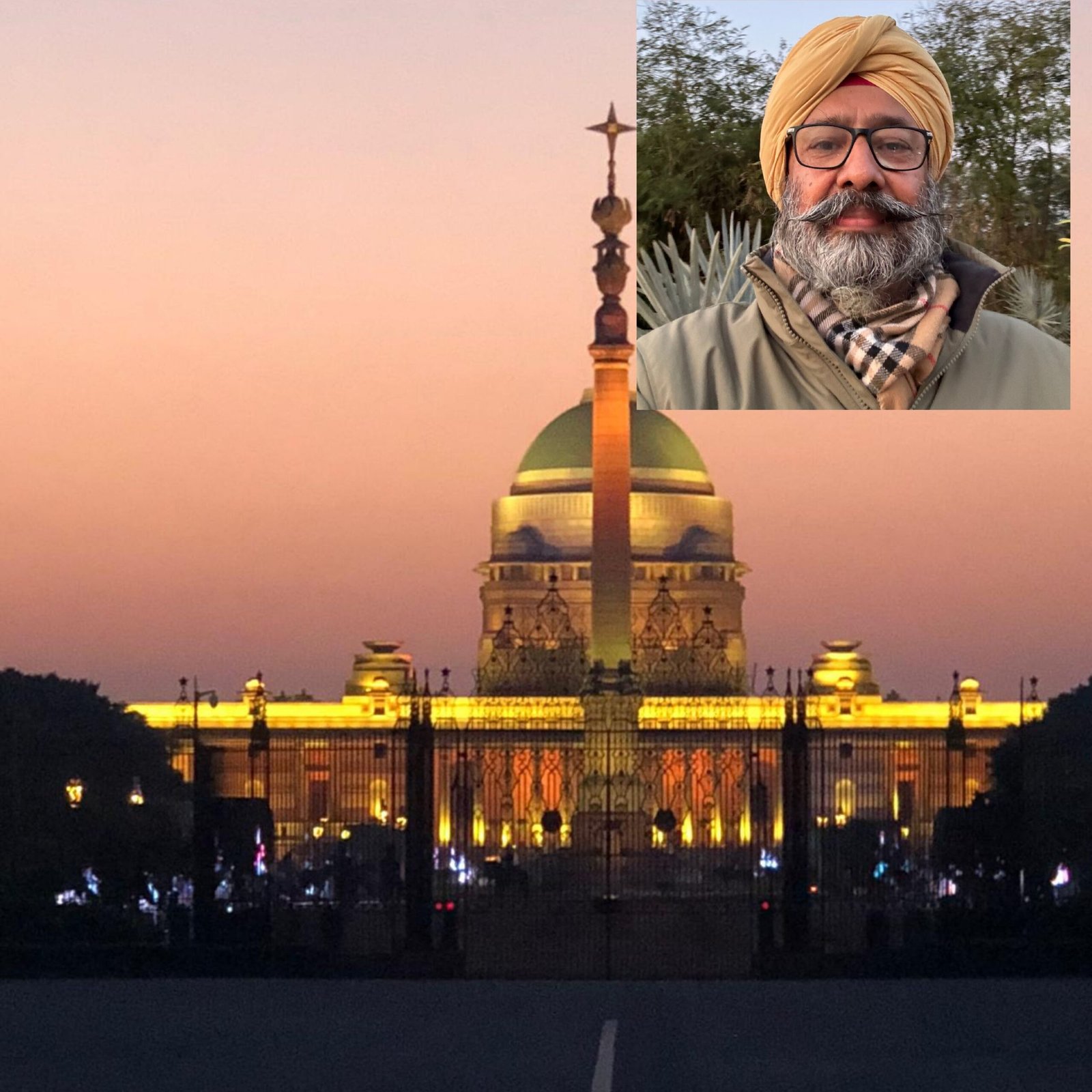
The minimum age for election to the Lok Sabha and the State Legislative Assemblies should be lowered from 25 to 21 years, and the forthcoming constitutional amendment on delimitation and women’s reservation is the natural vehicle for the change, according to KBS Sidhu, a retired IAS officer who superannuated as Special Chief Secretary, Government of Punjab.
In a letter to President Droupadi Murmu dated 21 October 2026, written in his capacity as a private citizen, KBS Sidhu has requested that the proposal be forwarded to the Government of India for consideration. Copies have been endorsed to Prime Minister Narendra Modi and to Rahul Gandhi, Leader of the Opposition in the Lok Sabha.
KBS Sidhu said the letter was prompted by the ongoing unrest among Gen Z protesters in Delhi and the political and legal questions it has left unresolved. A younger legislature, he argued, would help the Republic better understand and appreciate the aspirations of its young citizens, and involve them directly in nation building.
Today’s 21-year-olds, he noted, are better educated, more connected and more energetic than any earlier generation at the same age, and compete with their peers from every major economy. India’s median age is under thirty, while the average Lok Sabha member is in his or her mid-fifties. KBS Sidhu expressed disappointment that none of the recognised national or regional parties has taken up this demand in earnest, in spite of their professed championing of the cause of the youth.
The case in briefThe Republic, KBS Sidhu points out, already places its most solemn trust in 21-year-olds. A cadet from the National Defence Academy is commissioned at about 21, holding the President’s commission and leading soldiers under arms. A successful civil services candidate joins the IAS or IPS at 22 or 23 and, within two years, may sit as a Sub-Divisional Magistrate, empowered to order an unlawful assembly to disperse by force. Neither may seek a single vote for the Vidhan Sabha or the Lok Sabha until 25.
The Constitution has allowed 21-year-olds to be elected to panchayats and municipalities since 1992. The gap between voting and contesting, four years in 1950, widened to seven when the voting age was lowered to 18 in 1988. In 2023, a Parliamentary Standing Committee, citing the United Kingdom, Canada and Australia, recommended a lower candidacy age; the Election Commission objected that 18-year-olds may lack maturity. Twenty-one, KBS Sidhu argues, meets that objection on its own terms.
The cadet and the probationer are rigorously trained because the State appoints them for 35-year careers in which they never face a voter. The Constitution, by contrast, prescribes no examination or training for an MLA or MP and leaves fitness to the voters; age is the only filter, and it should be set no higher than necessary.
The clause would amend Articles 84(b) and 173(b), leaving the age of 30 for the Rajya Sabha and Legislative Councils untouched. It takes no seats from any State, needs no ratification by the States, and could help build the consensus the delimitation amendment has so far lacked.
Why 21 October
The letter was dispatched by email on 21 October, a date of substantial historical significance. On 21 October 1943, Netaji Subhas Chandra Bose proclaimed the Provisional Government of Free India, the Azad Hind government, in Singapore, a cause that drew thousands of young Indians into the service of the nation.
“A Republic that hands a 21-year-old the President’s commission and the authority to order the use of force can hardly deny the same citizen a place on the ballot paper,” KBS Sidhu said. “Let the electorate, rather than the date of birth, decide whether a young aspirant is ready to represent it and to lead.”
Chandigarh
Trending
LOWER THE AGE TO CONTEST LOK SABHA AND VIDHAN SABHA POLLS TO 21: KBS SIDHU WRITES TO THE PRESIDENT